The Journal · Famous stones
The Cullinan: the stone that filled a hand
On 26 January 1905 a surface manager in the Transvaal saw a flash of light in the wall of a mine. It was the largest gem diamond ever found.
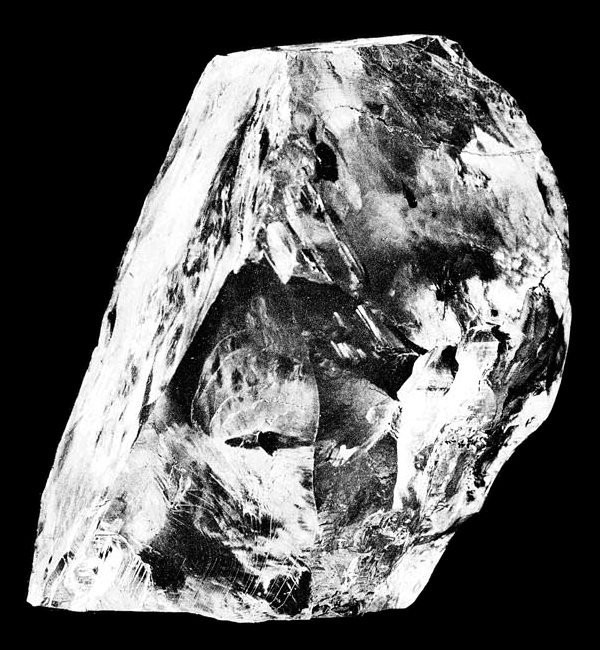
On 26 January 1905, Frederick Wells, the surface manager at the Premier Mine near Pretoria, noticed something glinting in the wall of the excavation. He dug it out. It weighed 3,106 carats, about 621 grams, and it remains the largest gem-quality rough diamond ever found. It was named after the mine’s founder, Thomas Cullinan.
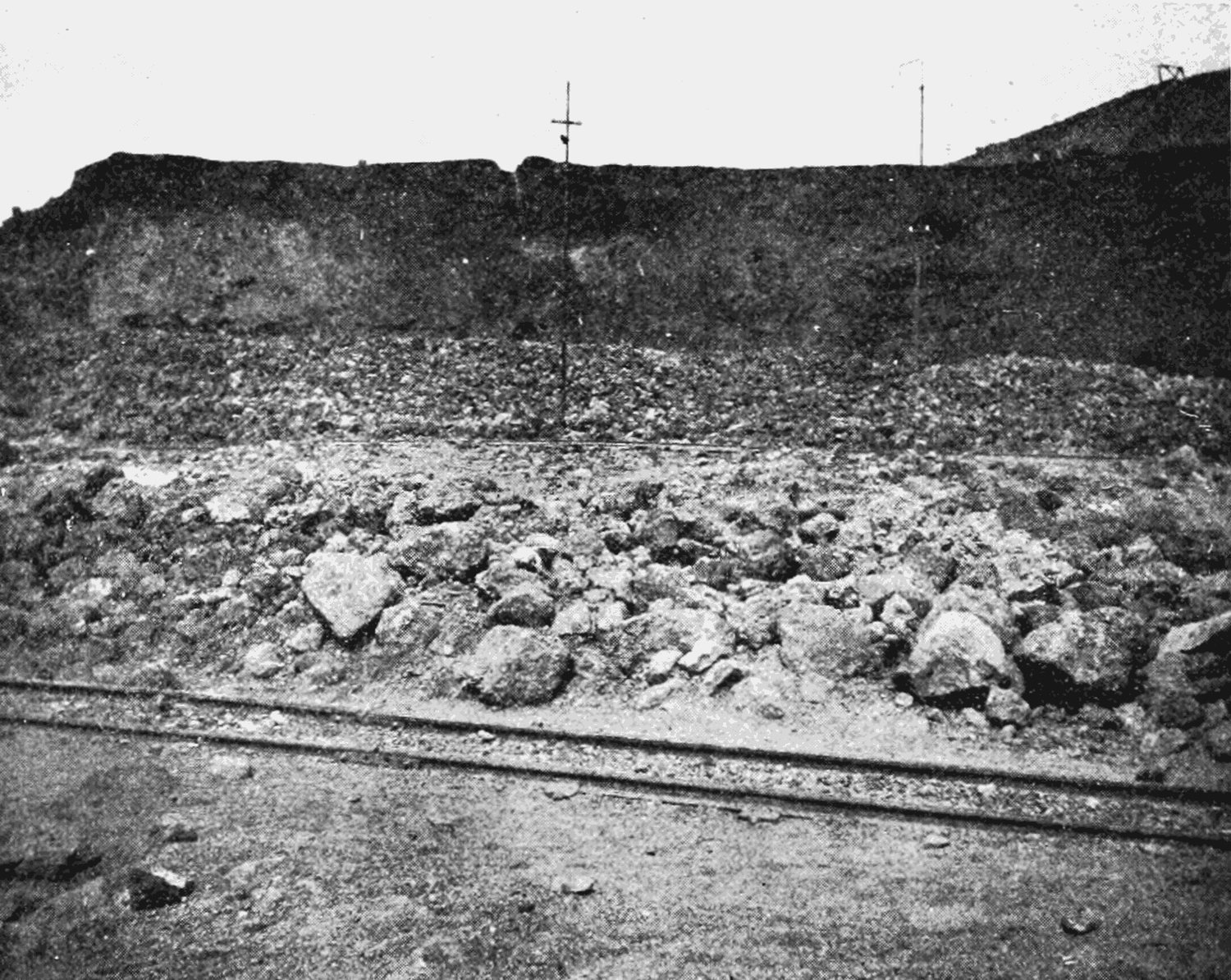
The Transvaal government bought the stone for £150,000 and presented it to King Edward VII on his sixty-sixth birthday in 1907.
Cut in Amsterdam
The task of cutting it went to the Asscher firm of Amsterdam. Joseph Asscher studied the stone for months before making the first cleave in 1908. The result was nine large stones and ninety-six smaller brilliants.
The two largest are the Cullinan I, of about 530 carats, in the Sovereign’s Sceptre, and the Cullinan II, of about 317 carats, in the Imperial State Crown. Both are among the Crown Jewels in the Tower of London.
Stones of that size come once in history. What matters, for every stone, is the care taken with it.